





The WNBA is in the middle of its most visible moment in league history. Fraudulent TV ratings that are truly dropping while the WNBA claims they are rising, record-breaking attendance because of Caitlin Clark, but a clear drop with her not playing, and the star power of Caitlin Clark has made the league a cultural talking point. But behind the on-court buzz is a financial storm: the Collective Bargaining Agreement (CBA) clock is ticking, and into that uncertainty has marched Unrivaled—a new league co-founded by Breanna Stewart and Napheesa Collier—that just claimed a staggering $340 million valuation despite losing 8 million dollars in its first season despite zero travel costs and a limited overhead.
The CBA Pressure Cooker
The current CBA between the WNBA and its players is set to expire at the end of October, and it looks more and more likely the the WNBPA is heading to a lockout. Players are already frustrated by issues like revenue sharing, travel accommodations, and salary structures that lag dramatically behind the NBA. If stars push the nuclear button and walk away from the CBA, it could put the league in a vulnerable position right as it tries to capitalize on its biggest growth surge in history.
That’s where Unrivaled sees opportunity.
A $340 Million Claim—Built on What?
The headline figure—$340 million valuation—is eye-catching. It puts Unrivaled in the conversation with established women’s sports startups like Athletes Unlimited and even creeping toward valuations of second-tier men’s leagues. But the question is: what is this valuation built on?
Instead, the number looks more like a play on leverage than a reflection of reality. More investors pumping more money in and a valuation created by one of the investors, Unrivaled has decided to expand by two teams which means what exactly? More expenses in player salaries, but again, what’s really going on in terms of the truth? By inflating valuation, Unrivaled signals to sponsors, investors, and—most importantly—WNBA players that it’s “legit” enough to be an option if the CBA fight turns ugly. But is the valuation real? The answer is likely no for a league lost approximately 20 percent of the initial investment dollars.
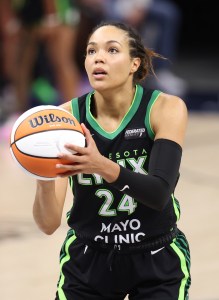
Is This Good or Bad for the WNBA?
On one hand, competition can raise standards. If Unrivaled forces the WNBA to improve player conditions, athletes win. But if valuations and promises outpace reality, it could create a credibility crisis. The WNBA has worked for decades to get stability, and an inflated challenger could fracture the women’s basketball market rather than strengthen it.
The Stakes
If the WNBA can’t navigate its CBA battle with player trust intact, stars could test the waters of Unrivaled. And if Unrivaled can’t deliver on a nine-figure valuation, the fallout could set women’s basketball back years in the eyes of investors.
For now, $340 million feels less like a valuation and more like a poker bluff in a high-stakes game where the WNBA, its players, and a startup challenger are all gambling with the future of the sport.